

Resources For Disabilities
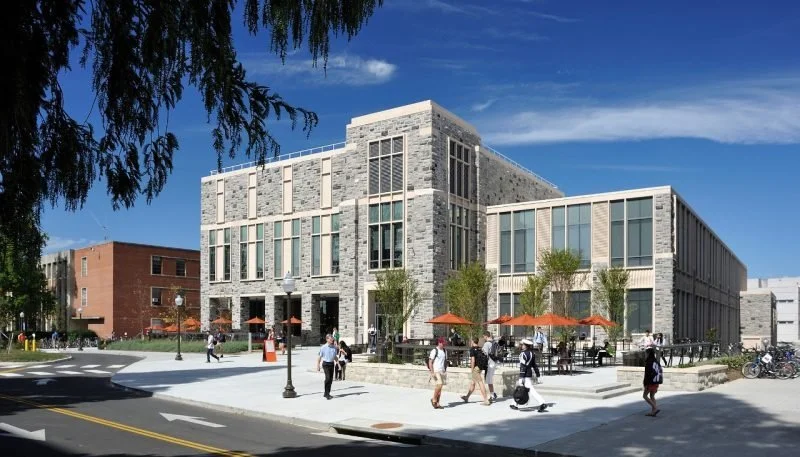
Chemical engineering is can be a demanding discipline requiring strong analytical thinking, lab work, and collaboration. For students with disabilities, navigating the coursework, labs, and exams can present additional challenges, but you are not alone. Virginia Tech offers a wide range of resources designed to ensure equitable access and academic success!
This guide highlights key disability resources available to chemical engineering students and how to make the most of them.
Services for Students with Disabilities (SSD)
The primary hub for disability support at Virginia Tech is Services for Students with Disabilities (SSD). This office works collaboratively with students to identify barriers and provide individualized accommodations that promote equal access to education.
SSD supports students with a wide range of conditions, including physical disabilities, learning differences, chronic illnesses, and temporary injuries.
What SSD Provides
Individualized accommodation plans
Academic coaching and support
Testing accommodations in the Werth Testing Center
Assistance with accessible course materials
Guidance on communicating with faculty
Common Academic Accommodations
After registering with SSD, students work with an access specialist to determine appropriate accommodations. These are tailored (not one-size-fits-all) and may include:
Extended time or alternative environments for exams
Note taking assistance or access to lecture materials
Assistive technology (e.g., screen readers, dictation tools)
Flexible attendance or assignment deadlines (when appropriate)
Accessible lab or classroom environments
For more information about SSD visit their website

Accessible Information Management (AIM)
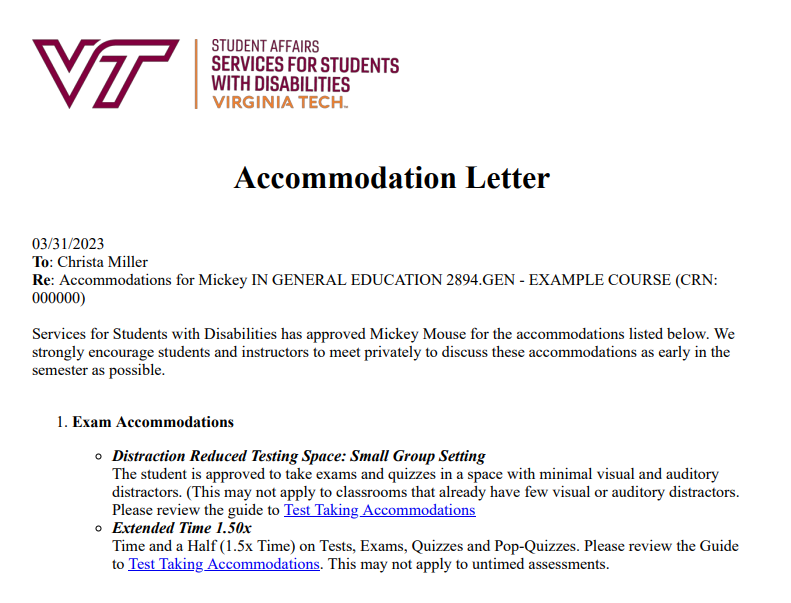
Virginia Tech uses an online system called Accessible Information Management (AIM) to manage accommodations. Through AIM, students can:
Request accommodation letters each semester
Share accommodations with professors
Track and manage approved services
Tips for Chemical Engineers
1. Register Early
Start the SSD registration process as soon as possible to ensure your accommodations are in place before you start the bulk of your coursework.
2. Communicate with Professors
To ensure your accommodations are implemented effectively and correctly remember to communicate with your professors early to help them accommodate you.
3. Use Available Spaces
Take advantage of the quiet study environments and assistive tech labs for studying or doing homework.
4. Advocate for Yourself
If something isn’t working, SSD staff are there to help adjust accommodations as needed.